There has been a distinct push by Apple to make macOS more iOS-like. I have been using a Mac since the ’90s, it wasn’t something that I was particularly fond of. Apple made statements about “Let the Mac be the Mac”, but release after release, there was a definitive “iOS first” feeling.
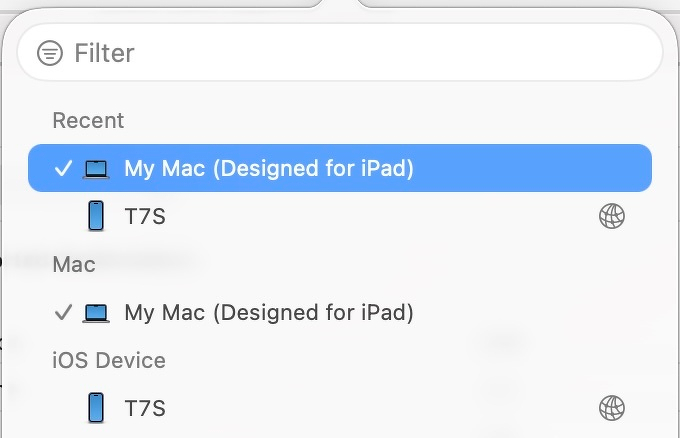
With Apple Silicon, Apple brought the ability to run iPad apps on macOS (“Designed for iPad”). While this might seem like a great thing for macOS, it resulted in removing motivation from macOS developers to continue building macOS native versions of their apps. SwiftUI helped unify the interface work for all platform but it still required building and updating two separate targets.
Our Smart Card Utility app started on macOS. We now have a macOS and an iOS version. The iOS version is much more popular than the macOS version but I liked having a native macOS app to keep it Mac-like. It wasn’t always easy because some external devices we support have libraries for iOS only. We reached out to 3rd party library vendors to provide macOS native versions without much success. However, since some of the devices were Bluetooth devices, some vendors provided the Bluetooth profile characteristics and we created a direct Bluetooth connection instead of using the library. This worked for some external devices, but not all of them. Without native libraries, it was not possible to have full support of all the external devices across both the macOS and iOS apps. It was also not possible to use SwiftUI since that would require native libraries on both iOS and macOS.
This led to confusion and frustration with our customers and I realized that most of our customers would be fine with an app that looks like an iPad app on macOS since they are already used to that interface on iOS. It also means that our tutorials, documentation, and screen shots could be unified.
So we are now going to be building a single, unified version for iOS that runs on Apple Silicon Macs. Also, since Apple will stop supporting Intel macOS post-Tahoe, we will still have to keep the old version around for a while that runs on Intel.
It feels the scales have tipped and it is easier for both developers and customers to have an iOS version and support the Mac using Designed for iPad. I am not convinced on SwiftUI for macOS, since it is difficult to get it to look native on macOS. Without a bunch of platform specific implementations, the user interface ends up looking a lot like iOS anyways due to Apple unifying of a lot of the UI elements, making them look more iOS flavored.
I suspect it was inevitable but this marks an acceptance on my part on what the future looks like.
It looks like iOS.